If you’ve been looking into resurfacing your driveway, fixing up a carpark or just trying to understand what that dark stuff on the road actually is, you’re in the right place. In this guide, we break down exactly what asphalt is, how it’s made, where it’s used and why it’s one of the most popular surfacing materials in Australia.
Table of Contents
- What is Asphalt?
- What is Asphalt Made Of?
- Bitumen vs Asphalt — What’s the Difference?
- Common Types of Asphalt Used in Australia
- Where is Asphalt Used?
- Why Asphalt is So Popular with Australian Homeowners
- How Long Does Asphalt Last?
- Is Asphalt Right for Your Property?
What is Asphalt?
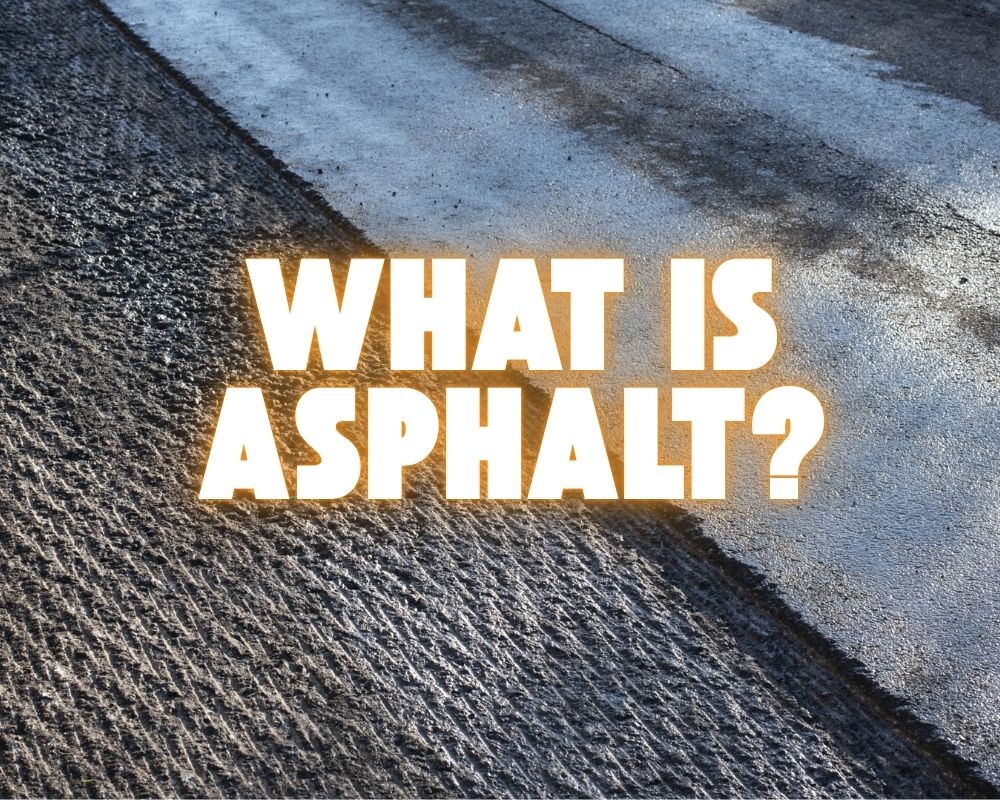
Asphalt is a composite material used to surface driveways, roads, carparks and footpaths. It’s sometimes called “hotmix” or “blacktop” depending on where you are in Australia, but it all refers to the same thing — a strong, smooth, dark-coloured surface that’s built to handle traffic and weather.
You see it everywhere. Most of Australia’s road network is surfaced with asphalt, and it’s become the go-to choice for residential driveways and commercial properties as well.
What is Asphalt Made Of?
Asphalt is a mix of a few key ingredients:
- Aggregate — crushed rock, gravel and sand that make up the bulk of the material and give it its strength.
- Bitumen — a thick, sticky binder derived from crude oil. This is the “glue” that holds everything together.
- Filler — fine mineral dust that fills gaps between the aggregate particles.
These materials are combined at high temperatures in an asphalt plant, then transported to site and laid while still hot. Once it cools and compacts, you’re left with a hard-wearing, weather-resistant surface.
Bitumen vs Asphalt — What’s the Difference?
This is one of the most common questions we get. In everyday conversation, a lot of Australians use “bitumen” and “asphalt” interchangeably. But technically, they’re not the same thing.
Bitumen is the binding agent — the dark, viscous liquid that comes from refining crude oil. On its own, bitumen isn’t a surface material. It’s an ingredient.
Asphalt is the finished product — bitumen combined with aggregate and filler, mixed and laid as a road or driveway surface.
Think of it like this: bitumen is to asphalt what cement is to concrete. One is a component, the other is the end result.
When someone says “my bitumen driveway,” they almost always mean an asphalt driveway. You’ll also hear people refer to spray seal surfaces as “bitumen,” which is a different application altogether where bitumen is sprayed directly onto a prepared base and covered with loose stone.
Common Types of Asphalt Used in Australia
Not all asphalt is the same. The type used depends on the job, the amount of traffic and the finish you’re after.
- Dense Graded Asphalt (DGA) — the most common type for driveways, carparks and roads. It has a smooth, tightly packed finish and handles heavy loads well.
- Open Graded Asphalt (OGA) — has more air voids, which allows water to drain through. Often used on highways to reduce spray in wet conditions.
- Stone Mastic Asphalt (SMA) — a premium mix with higher bitumen content and a coarser aggregate. Very durable and commonly used on high-traffic roads.
For most residential driveways and small commercial carparks in Queensland, dense graded asphalt is the standard choice. It gives you a clean finish, holds up in the heat and is cost-effective.
Where is Asphalt Used?
Asphalt is one of the most versatile surfacing materials available. You’ll find it on:
- Residential driveways
- Commercial and retail carparks
- Local and arterial roads
- School drop-off zones and playgrounds
- Warehouse and industrial yards
- Shared paths and bike lanes
Its popularity comes down to a combination of durability, cost and speed of installation. A residential driveway can often be laid and ready to drive on within 24 to 48 hours.
Why Asphalt is So Popular with Australian Homeowners
There’s a reason asphalt is the first choice for so many property owners across Queensland and the rest of Australia.
- Cost-effective — generally more affordable than concrete, especially for larger areas.
- Quick to install — most residential driveways are completed in a day.
- Durable — a well-laid asphalt surface can last 20 years or more with proper maintenance.
- Handles heat well — asphalt is flexible, so it expands and contracts with temperature changes without cracking the way rigid surfaces can.
- Easy to repair — small cracks and potholes can be patched without replacing the entire surface.
- Smooth finish — provides a clean, modern look that suits most home styles.
How Long Does Asphalt Last?
With the right preparation and a quality install, an asphalt driveway in Queensland can last anywhere from 15 to 25 years. Some commercial surfaces last even longer with regular maintenance.
The biggest factors that affect lifespan are the quality of the base preparation, the thickness of the asphalt layer, drainage and how much traffic the surface handles day to day. Keeping on top of minor repairs and sealing cracks early goes a long way toward extending the life of your surface.
Is Asphalt Right for Your Property?
If you’re looking for a durable, good-looking driveway or carpark surface that won’t blow the budget, asphalt is hard to beat. It suits Queensland’s climate, it’s quick to lay and it’s proven itself on everything from suburban driveways to major road projects.
Not sure whether asphalt or spray seal is the better fit for your property? Get in touch with RTB Civil for a free measure and quote. We’ll walk through your options and help you make the right call.