Rain on the forecast does not automatically mean a paving project is cancelled, but wet conditions can make it unsuitable to lay hot-mix asphalt. The decision depends on the surface, the base, the intensity of rain and whether the crew can place and compact the material properly.
A contractor should assess the actual site rather than relying on a generic rule about how many hours must pass after a shower.
Why wet weather affects paving
Hot-mix asphalt arrives warm enough to be placed and compacted into a continuous surface. Rain can cool the mix and make it harder to achieve the intended compaction. Water on the existing surface can also interfere with the bond between layers, while a wet or unstable base may not provide reliable support.
Those risks are different from a finished asphalt surface getting wet after it has cooled. The question during construction is whether the material and the layers beneath it are in suitable condition when the crew starts work.
What happens after an overnight shower?
A contractor may need to wait, inspect and reassess. The ground can remain soft even if the surface looks dry, especially in low areas or where water drains slowly.
Before paving resumes, the team may check:
- whether standing water remains on the base or existing surface
- whether the base is firm enough for paving equipment
- whether surface preparation or a bonding treatment needs to be repeated
- the forecast for the planned laying and compaction window
- access for trucks and machinery without damaging prepared ground
Some sites dry quickly. Others need more time or corrective preparation. Neither a dry-looking top layer nor a short break in the rain proves the pavement is ready.
What if it starts raining during the job?
The crew will assess the conditions and the stage of work. They may pause, protect the site where practical or reschedule the remaining area. Continuing simply to meet a calendar date can create a more expensive problem if the surface cannot be laid and compacted correctly.
Ask the contractor how partially completed work will be left safe, whether access will be restricted and what needs checking before work resumes. Do not enter a closed work area or drive on freshly placed material until the crew confirms it is safe.
Can asphalt repairs be done in wet conditions?
It depends on the product and the purpose of the repair. Some specialist cold-applied products are intended for certain wet-condition or temporary repairs. That does not mean all asphalt mixes are suitable for rain, or that a temporary patch is equivalent to a properly assessed permanent repair.
For an existing driveway, RTB Civil’s asphalt repair service can help assess the damage and the appropriate scope once conditions allow.
How property owners can prepare for a weather delay
- Share access constraints early. Explain if a driveway is the only route to a home, business or delivery area.
- Keep the crew informed. Send photos if water collects or the ground softens after rain.
- Agree on a backup plan. Ask how a postponed delivery or staged project will affect access and the revised programme.
- Check what happens next. Clarify whether additional drying, base repairs or another inspection is needed before a new date is confirmed.
- Follow the handover advice. Reopening depends on the material, temperature, site and vehicle use, not a universal wait time.
The driveway preparation guide explains how the base and surface levels affect the finished pavement.
Questions worth asking
Can asphalt be laid on a damp surface?
The contractor needs to assess the surface, material specification and bonding requirements. Visible dampness may indicate that more drying or preparation is needed, so do not assume it is suitable from appearance alone.
Does Queensland summer rain rule out paving?
No. Weather changes and site conditions vary. Build some flexibility into the programme and let the contractor confirm a workable paving window.
Can a newly paved driveway get rained on?
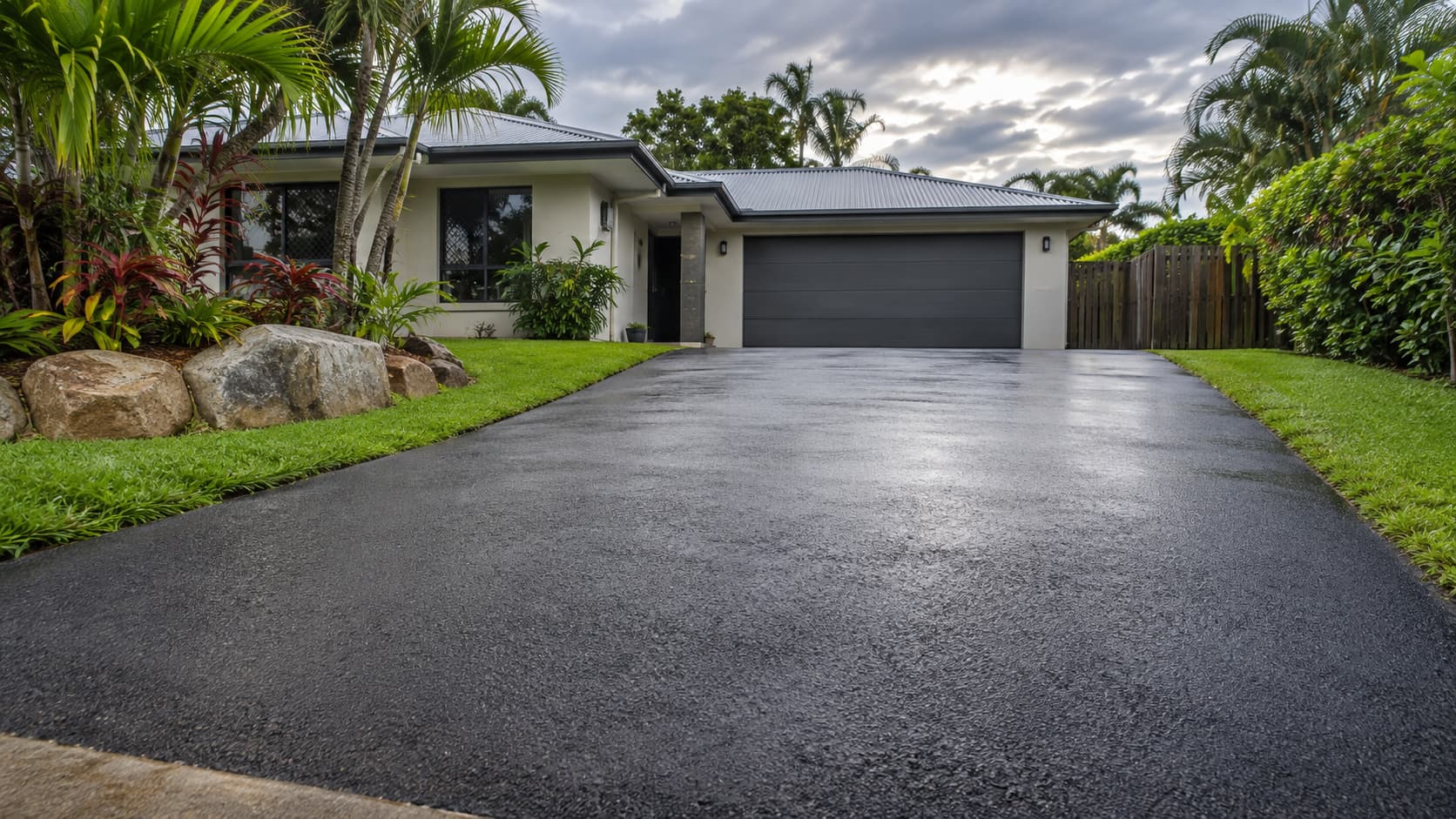
Rain falling on a finished surface is different from paving over a wet, unstable base. If rain arrives during or immediately after construction, ask the installer to assess the surface and confirm when it can be used. Do not assume the driveway is ready for traffic just because the rain has stopped.
Planning around the forecast
RTB Civil installs asphalt driveways and car parks across Brisbane and South East Queensland. If weather is a concern, request a quote and share the site conditions, access requirements and timing so the project can be assessed.