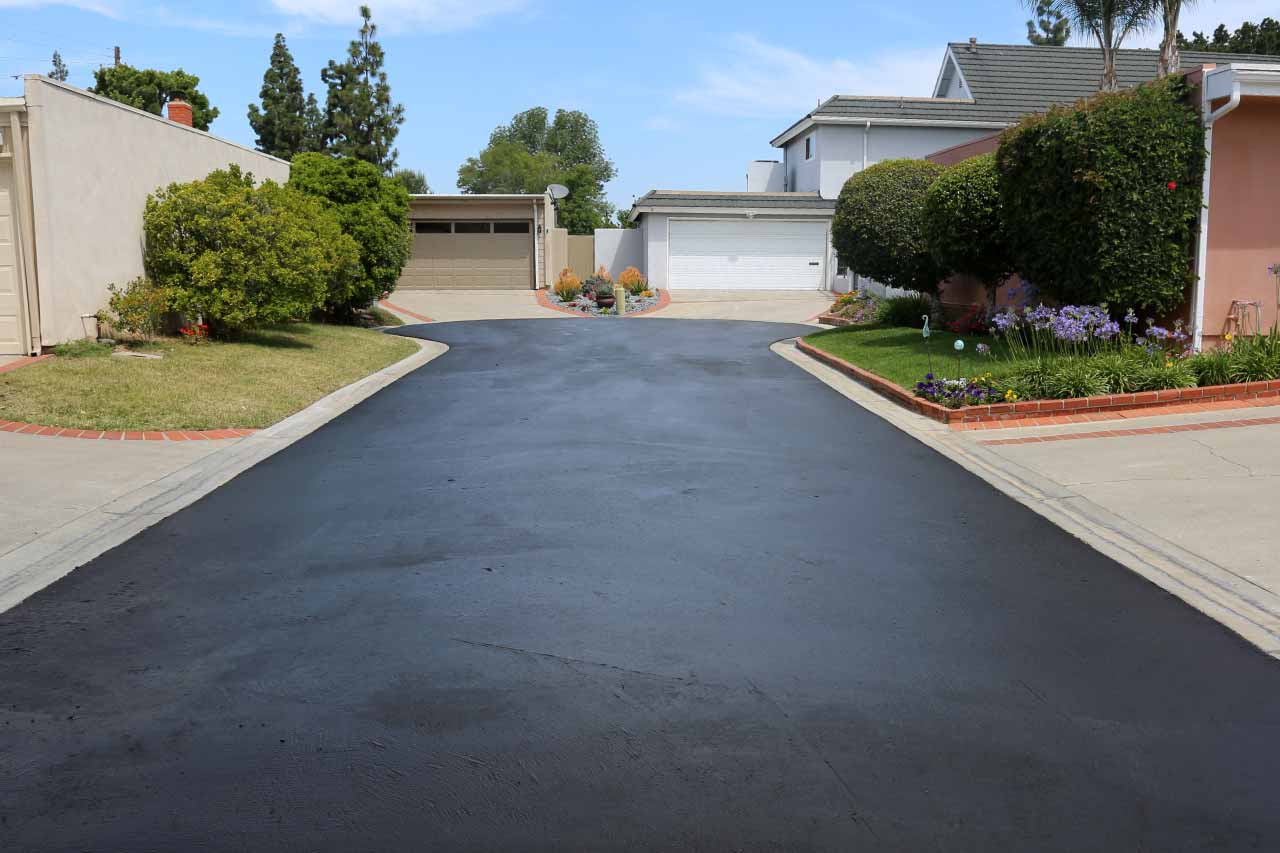
Yes, asphalt can be laid over a concrete driveway in suitable circumstances. The important question is whether the existing slabs can provide stable support and whether there is room for the new surface without creating access or drainage problems. An asphalt overlay is a construction decision, not simply a way to change the colour of old concrete.
For Brisbane property owners, the first step is an assessment of the existing driveway. This guide explains what needs checking, why some cracks can return through a new surface, and how to compare an overlay proposal with removal and replacement.
When an asphalt overlay may be worth considering
An overlay can be considered where the concrete is sufficiently sound, identified defects can be addressed, and the proposed finish works with the surrounding levels. The Illinois Asphalt Pavement Association recognises overlays on existing concrete driveways, while emphasising preparation and repair of problem areas. See its driveway guidance.
That does not mean every aged slab is a suitable foundation. Ask the assessor to explain what can remain, what needs repair and what evidence supports the recommendation. If a quote is prepared from photographs, clarify which assumptions still need an onsite inspection.
What makes concrete a poor candidate?
Moving slabs, substantial deterioration and inadequate support need investigation before surfacing. The Asphalt Paving Handbook’s concrete preparation guidance describes repairing severely distressed areas, addressing underlying material where needed, stabilising rocking slabs and cleaning the prepared surface.
From a property owner’s perspective, useful warning signs to show the contractor include:
- Sections at different heights or an edge that has dropped.
- Cracks that have widened or changed since earlier repairs.
- Loose or broken concrete around joints.
- Water collecting repeatedly in the same places.
- Areas that have already been patched several times.
These observations do not diagnose the cause on their own. They help focus the assessment. Where extensive repairs would be needed before an overlay, ask for a comparison with removing the existing pavement and rebuilding the affected area.
Why cracks can appear through the asphalt
Concrete joints and cracks can move beneath an overlay. That movement can transfer into the asphalt above, creating what pavement engineers call reflection cracking. The Asphalt Institute’s overlay preparation guidance explains this mechanism and why the condition of the underlying pavement matters.
A new black surface does not remove the old joints or stop every source of movement. Ask how the proposed treatment addresses the existing concrete, what residual cracking risk remains and what maintenance may be required. A claim that resurfacing will permanently hide all cracks deserves a specific technical explanation.
Specialist treatments may be considered in a designed pavement, but they are not interchangeable add-ons. Their suitability needs to be assessed for the project, including available depth and the condition of the slab underneath.
Check heights before agreeing to an overlay
Adding a layer changes the finished surface level unless material is removed or another adjustment is designed. Walk the boundaries of the proposed work with the contractor and identify every place the new asphalt must meet something that stays.
- Garage entrance: How will the finished driveway meet the threshold?
- Gates: Will there still be enough clearance throughout the opening arc?
- Drains and covers: Who will assess and make any necessary level adjustments?
- Paths and adjoining paving: How will transitions be formed?
- Street connection: Does the work affect a crossover or other Council infrastructure?
Ask for the proposed transitions to be included in the scope. Our driveway drainage guide explains the water-management questions to raise. For work affecting the verge crossing, check Brisbane City Council’s driveway permit requirements before construction.
What preparation should the proposal describe?
The scope should identify concrete repairs, treatment of joints, surface cleaning and the bonding approach before asphalt placement. A tack coat is a bonding application between pavement layers; it is not a cure for unstable concrete. The Asphalt Paving Handbook’s tack coat guidance explains its role in helping layers act together.
Ask whether any coatings, contamination or loose material on the existing surface need attention. The contractor should specify preparation suitable for the actual surface rather than assume that all concrete arrives in the same condition.
The asphalt mix and compacted depth also need to suit the project. There is no universal overlay thickness to choose from an online photograph. Our asphalt driveway thickness guide explains the difference between loose and compacted depth and the importance of the supporting pavement.
Compare the complete scope, not just square metres
An overlay quote and a replacement quote describe different approaches. Put them side by side and ask:
- What existing material remains, and why is it suitable?
- Which damaged areas will be repaired before paving?
- What preparation and bonding work is included?
- How are finished levels and drainage dealt with?
- What mix and compacted asphalt depth are proposed?
- What access restrictions and reopening advice will apply?
- What limitations, maintenance expectations and warranty terms are recorded?
Request photographs or examples of comparable work where available. Explain how long you intend to use the property and any future change in vehicles or parking layout. That helps frame a useful discussion about the scope and expected service, without relying on an unsupported promise of a fixed lifespan.
Common questions about asphalt over concrete
Is overlaying always cheaper than removal?
It can avoid some demolition and disposal, but repairs, preparation and level adjustments still have a cost. Compare written site-specific scopes before assuming which option offers better value.
Can badly cracked concrete just be covered?
Covering visible damage does not establish that the underlying pavement is sound. Have the cracking and slab condition assessed before deciding whether repair, an overlay or reconstruction is appropriate.
Can RTB Civil assess an existing driveway?
RTB Civil’s driveway repair service is a starting point for discussing the existing surface and possible paving work. Send your suburb, photographs, approximate area and details of any movement or drainage issues.
Plan the right next step
For asphalt driveway work in Brisbane and surrounding South East Queensland areas, request a free site quote or call 0423 783 556. A useful proposal should explain why the existing concrete can stay, or why removing it is the more appropriate approach for your site.